


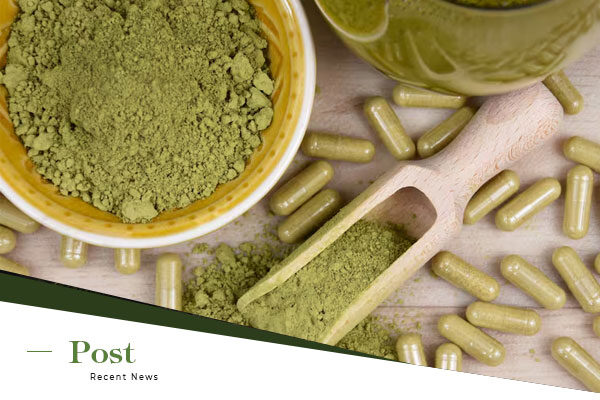
Kratom for Pain Relief: How It Works and What to Expect
Kratom for Pain Relief: How It Works and What to Expect
Chronic pain is a prevalent issue affecting millions of individuals worldwide. While prescription painkillers offer relief, they often come with significant side effects and the risk of dependency. As a result, many people are turning to natural alternatives like kratom (Mitragyna speciosa) for pain management. This article explores how kratom works for pain relief and what you can expect from its use.
Understanding Kratom
Kratom is a tropical tree native to Southeast Asia, known for its leaves that contain active compounds called alkaloids. The primary alkaloids in kratom, mitragynine and 7-hydroxymitragynine, interact with the body’s opioid receptors, producing effects similar to those of opioids. However, kratom is a natural alternative that may carry fewer risks than synthetic painkillers.
How Kratom Works for Pain Relief
Interaction with Opioid Receptors
The alkaloids in kratom bind to the opioid receptors in the brain and spinal cord, which are responsible for transmitting pain signals. By interacting with these receptors, kratom can effectively reduce the perception of pain, providing relief for various types of pain, including:
Chronic Pain: Conditions such as arthritis, fibromyalgia, and back pain.
Acute Pain: Short-term pain from injuries or surgeries.
Neuropathic Pain: Pain resulting from nerve damage.
Anti-Inflammatory Properties
In addition to its interaction with opioid receptors, kratom also has anti-inflammatory properties. Inflammation is a common cause of pain, and by reducing inflammation, kratom can help alleviate discomfort associated with conditions like arthritis and other inflammatory diseases.
Muscle Relaxation
Kratom’s relaxing effects can also contribute to pain relief by reducing muscle tension and spasms. This is particularly beneficial for individuals experiencing muscle-related pain or discomfort.
What to Expect from Kratom Use
Dosage and Effects
Kratom’s effects can vary depending on the dosage and the strain used. It is essential to start with a low dose and gradually increase it to find the optimal amount for pain relief. Here is a general guideline for kratom dosages:
Low Dose (1-2 grams): Mild pain relief, increased energy, and focus.
Moderate Dose (2-5 grams): Significant pain relief, relaxation, and mild sedation.
High Dose (5-8 grams): Strong pain relief, deep relaxation, and sedation.
Choosing the Right Strain
Different kratom strains offer varying effects, and some are more effective for pain relief than others. Here are a few popular strains for pain management:
Red Vein Kratom: Known for its potent analgesic and sedative effects, making it ideal for chronic pain and relaxation.
Green Vein Kratom: Offers a balance of pain relief and energy, suitable for daytime use.
White Vein Kratom: While more stimulating, certain white vein strains can provide mild pain relief and mood enhancement.
Potential Side Effects
While kratom can offer significant pain relief, it is essential to be aware of potential side effects, including:
Nausea and vomiting
Constipation
Dizziness and drowsiness
Dry mouth
Increased urination
It is crucial to use kratom responsibly and consult with a healthcare professional before incorporating it into your pain management routine, especially if you have underlying health conditions or are taking other medications.
Conclusion
Kratom presents a natural and effective option for pain relief, offering a range of benefits from reducing inflammation to relaxing muscles. By understanding how kratom works and what to expect from its use, individuals can make informed decisions about incorporating it into their pain management strategies. Always remember to use kratom responsibly and seek professional guidance to ensure safe and effective use.


