


Kratom (Mitragyna Speciosa) in Traditional Medicine : Ancient Practices and Modern Uses
Kratom (Mitragyna Speciosa) in Traditional Medicine: Ancient Practices and Modern Use
Kratom (Mitragyna speciosa), commonly known as kratom, has been an integral part of traditional medicine in Southeast Asia for centuries. This tropical tree, native to countries like Thailand, Malaysia, Indonesia, and Papua New Guinea, has leaves that have been traditionally used for their medicinal properties. Over the years, the use of kratom has evolved, blending ancient practices with modern applications.
Ancient Practices
Historical Context
The use of kratom can be traced back to at least the early 19th century. Indigenous communities in Southeast Asia have historically used kratom for various purposes, including as a stimulant, a sedative, and a remedy for common ailments.
Traditional Applications
-
Pain Relief: Kratom leaves were chewed or brewed into a tea to alleviate pain. The alkaloids in kratom, such as mitragynine and 7-hydroxymitragynine, are known to interact with opioid receptors in the brain, providing analgesic effects.
-
Energy Boost: Farmers and laborers often chewed kratom leaves to increase their energy levels and combat fatigue during long hours of work.
-
Digestive Health: Kratom was used to treat digestive issues such as diarrhea and intestinal infections. Its antimicrobial properties played a significant role in maintaining gut health.
-
Social and Ritualistic Uses: In some cultures, kratom leaves were used in social gatherings and traditional rituals, symbolizing hospitality and community bonding.
Modern Uses
Contemporary Applications
In recent years, the use of kratom has gained popularity worldwide. Here are some of the modern uses of Mitragyna speciosa:
-
Alternative Medicine: Kratom is now widely used as an alternative treatment for chronic pain, anxiety, depression, and opioid withdrawal symptoms. Its natural composition makes it a preferred option for individuals seeking holistic health solutions.
-
Research and Studies: Scientific interest in kratom has surged, leading to numerous studies investigating its potential benefits and risks. Research has explored its analgesic, anti-inflammatory, and mood-enhancing properties, among others.
-
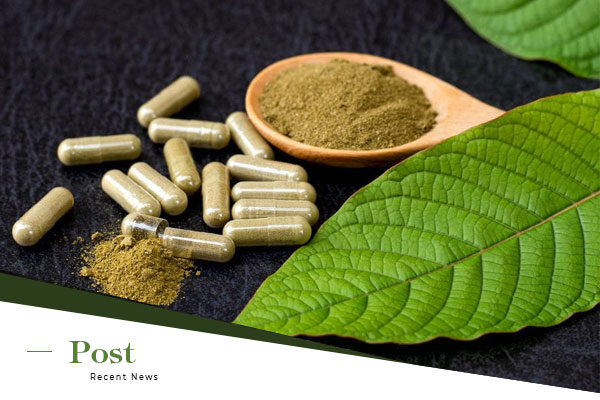
Supplement Industry: Kratom is available in various forms, including capsules, powders, and extracts. It is marketed as a dietary supplement, with claims of enhancing overall well-being.
-
Legal and Regulatory Status: The legal status of kratom varies globally. While some countries have banned its use, others have recognized its potential benefits and regulated its sale. This has led to ongoing debates and discussions about its safety and efficacy.
Integration with Modern Medicine
The integration of kratom into modern medicine is still in its early stages. While there is promising evidence supporting its benefits, more comprehensive research is needed to fully understand its effects and potential risks. Collaboration between traditional knowledge holders and modern scientists can pave the way for new therapeutic applications and improved health outcomes.
Conclusion
Mitragyna speciosa, or kratom, continues to bridge the gap between ancient practices and modern uses. Its rich history and diverse applications highlight its significance in traditional medicine and its potential in contemporary health solutions. As research advances, the future of kratom in the medical field looks promising, offering hope for those seeking natural and effective remedies.


