


The History and Cultural Significance of Kratom (Mitragyna Speciosa)
The History and Cultural Significance of Kratom (Mitragyna Speciosa)
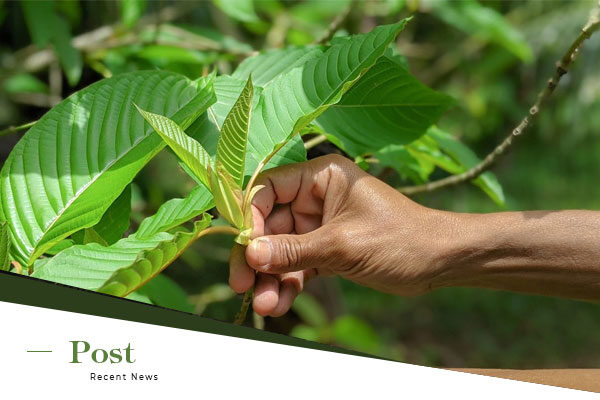
Kratom (Mitragyna speciosa), commonly known as kratom, is a tropical tree indigenous to Southeast Asia. For centuries, the leaves of this tree have been used for their medicinal properties, playing a crucial role in the daily lives and cultural practices of the people in this region. The rich history and cultural significance of kratom are deeply intertwined with the traditions and customs of the communities that have relied on it.
Historical Background
Early Use
The use of kratom can be traced back to at least the early 19th century, though it is believed to have been used for much longer. Indigenous populations in Thailand, Malaysia, Indonesia, and other parts of Southeast Asia have utilized kratom for its therapeutic effects. The leaves were traditionally chewed, brewed into a tea, or used in various concoctions.
Traditional Applications
Pain Relief: Kratom’s analgesic properties made it a popular choice for relieving pain and treating various ailments. The leaves were chewed or made into a paste to apply to wounds and injuries.
Energy Boost: Laborers and farmers chewed kratom leaves to increase their stamina and combat fatigue during long hours of work. The stimulant effects provided a natural energy boost.
Social and Ceremonial Use: Kratom was also used in social gatherings and traditional ceremonies. Sharing kratom leaves or tea symbolized hospitality and community bonding.
Cultural Significance
Thailand
In Thailand, kratom has been an integral part of rural life. It was used not only for its medicinal benefits but also as a traditional remedy for various social and cultural practices. Despite its ban in the mid-20th century, kratom continued to be used informally, reflecting its deep-rooted cultural significance. In recent years, the Thai government has recognized its importance and decriminalized its use for medicinal purposes.
Malaysia
In Malaysia, kratom, locally known as “ketum,” has been used for generations. It is particularly valued in rural areas for its ability to alleviate pain, improve mood, and enhance work productivity. The cultural practices surrounding kratom use are passed down through generations, highlighting its enduring relevance in Malaysian society.
Indonesia
Indonesia is one of the largest producers and exporters of kratom. In Indonesian culture, kratom has been used for its medicinal properties and as a natural remedy for various health issues. The cultivation and trade of kratom have become significant aspects of the local economy, providing livelihoods for many communities.
Modern Revival
In recent years, there has been a resurgence of interest in kratom globally. The growing popularity of natural remedies and alternative medicine has brought kratom into the spotlight. It is now widely used for managing chronic pain, anxiety, depression, and opioid withdrawal symptoms. This modern revival reflects a blend of traditional knowledge and contemporary health practices.
Conclusion
The history and cultural significance of Mitragyna speciosa are deeply rooted in the traditions of Southeast Asia. From its early use as a medicinal plant to its role in social and cultural practices, kratom has been a vital part of the lives of many communities. As its popularity continues to grow, understanding its historical and cultural context can provide valuable insights into its potential benefits and responsible use. By honoring its traditional roots, we can appreciate the full spectrum of kratom’s significance in both ancient and modern times.


