Luck or skill which truly influences your gambling success
The Role of Luck in Gambling
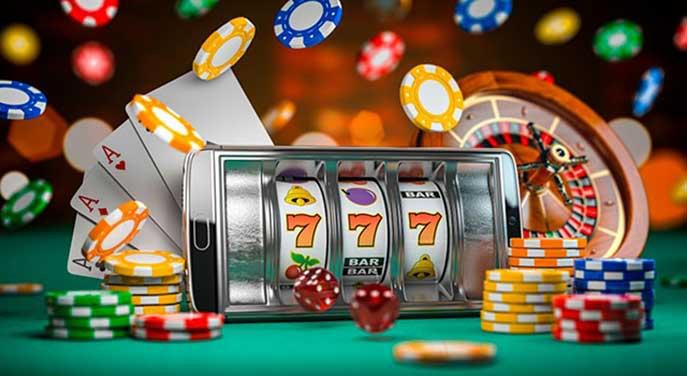
Luck is often regarded as a primary factor in gambling success. Many players attribute their wins or losses to sheer chance, believing that luck plays a pivotal role in determining outcomes. This viewpoint is particularly prevalent in games that are heavily reliant on randomness, such as slots or roulette, where players have little to no control over the result. In these scenarios, winning often feels arbitrary, and players might even carry superstitions to help sway fortune in their favor.
Consider a game of roulette, where the outcome hinges on where the ball lands. Each spin is independent, meaning previous results do not affect future spins. This randomness can lead to the illusion that luck is the sole determinant of success. Players often find themselves on winning or losing streaks, reinforcing the belief that luck governs their experience. However, while luck is undeniably a factor, it alone cannot sustain long-term success in gambling.

Statistical analysis supports the idea that luck plays a significant role in short-term outcomes. For example, over a handful of games, a player may experience dramatic fluctuations in their bankroll. Yet, as the number of games increases, the house edge and odds begin to favor the casino. This observation indicates that while luck can lead to quick wins, it is not a reliable strategy for consistent success in gambling.
The Importance of Skill in Gambling
While luck is a prominent factor, skill also plays a crucial role in gambling. Players who invest time in understanding the intricacies of their chosen games can significantly enhance their chances of winning. Games like poker, blackjack, and even sports betting require strategic thinking, knowledge of odds, and the ability to read opponents. In these cases, skill can mitigate the randomness associated with luck.
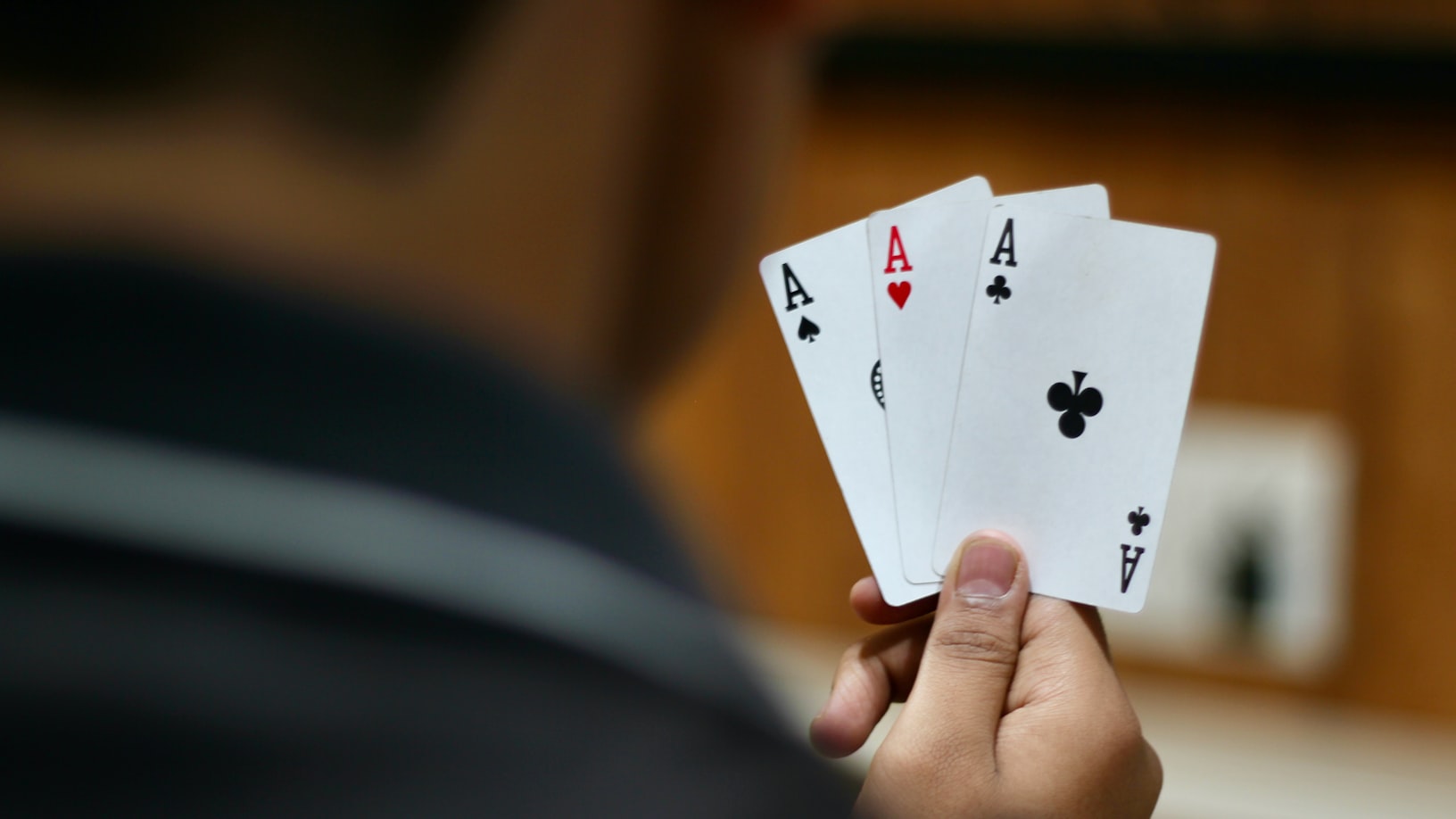
For instance, in poker, successful players learn to calculate pot odds, assess risk, and understand the psychology of their opponents. This skill set allows them to make informed decisions rather than relying solely on luck. Over time, skilled players often outperform those who depend solely on chance, demonstrating that strategy and knowledge can lead to more favorable outcomes in the long run.
The concept of skill in gambling can also be observed in blackjack, where players can employ strategies such as card counting. By tracking the cards that have been played, players can adjust their betting patterns, giving them an edge over the house. This illustrates that while luck can influence individual hands, skillful play can turn the odds in the player’s favor, leading to greater overall success.
The Balance Between Luck and Skill
The debate over luck versus skill is not a black-and-white issue; rather, it involves a complex interplay between the two. Many gambling activities blend elements of both, creating a unique environment where neither can fully claim dominance. In many cases, the most successful gamblers recognize the importance of both aspects and leverage them accordingly. For example, in sports betting, a bettor may analyze statistics and trends (skill) while also acknowledging that unpredictable events can sway outcomes (luck).
This balance can be seen in live-action games, where players can adjust their strategies in real-time. As a result, they can respond to changes in circumstances, allowing their skills to shine through even when luck appears to be against them. The ability to adapt and make sound decisions often results in a more sustainable approach to gambling.
Moreover, many players find that maintaining a healthy perspective on luck and skill leads to a more enjoyable gambling experience. Recognizing that luck can fluctuate helps players manage their expectations and reduces the emotional rollercoaster that often accompanies gambling. Balancing skill with the acceptance of luck’s unpredictability can create a more rewarding gambling journey.
Myths and Misconceptions in Gambling
Several myths surround the gambling community, often misrepresenting the relationship between luck and skill. One common misconception is that every player can achieve success solely through luck, leading to a casual approach to gambling. This mindset can be detrimental, as it fosters reckless betting behaviors and a lack of knowledge about the games being played. Acknowledging the importance of skill is essential for long-term success.
Another myth suggests that certain rituals or lucky charms can sway luck in one’s favor. While many gamblers swear by such practices, they are often based more on psychological comfort than actual probability. Believing that luck can be manipulated can detract from the importance of developing skills and strategies that genuinely enhance one’s chances of winning.
Understanding these myths can empower gamblers to make more informed decisions. By focusing on skill development and critical thinking, players can move beyond mere superstition and create a more strategic approach to their gambling experiences. This shift in mindset can lead to more responsible gambling habits and, ultimately, improved success.
Final Thoughts on Gambling Success
In conclusion, the question of whether luck or skill influences gambling success cannot be definitively answered in favor of one over the other. Both elements play significant roles in the gambling landscape, and recognizing the importance of each can help players navigate their experiences more effectively. While luck may provide temporary wins, skill is crucial for sustained success.
To truly thrive in the gambling world, players must embrace the interplay between luck and skill. This means not only relying on chance but also developing strategies that can give them a competitive edge. Gamblers who invest time in honing their skills are more likely to enjoy long-term success, allowing them to navigate the ups and downs that come with gambling.
Ultimately, understanding the dynamics between luck and skill can elevate a gambler’s experience, creating a balance that leads to both enjoyment and success. Players who are willing to learn and adapt will find themselves better equipped to handle the challenges that gambling presents. As you embark on your gambling journey, remember that both luck and skill are integral parts of the equation, shaping your path to success.